38 Derwent Gardens, Ilford, East London. IG4 5NA
Artificial Intelligence is everywhere in digital marketing today
From automated bidding to AI-generated ad copy, major advertising platforms are increasingly encouraging businesses to rely on automation. Platforms like Google and Meta Platforms now actively promote AI-powered campaign types, promising better performance with less manual effort.
For many businesses, this sounds like the perfect solution.
Set up a campaign, let AI do the work, and watch the results come in. But the reality is more complicated.
For small and medium-sized businesses, especially those without deep marketing knowledge, relying too heavily on AI without understanding how it works can lead to wasted budgets, poor targeting, and disappointing results.
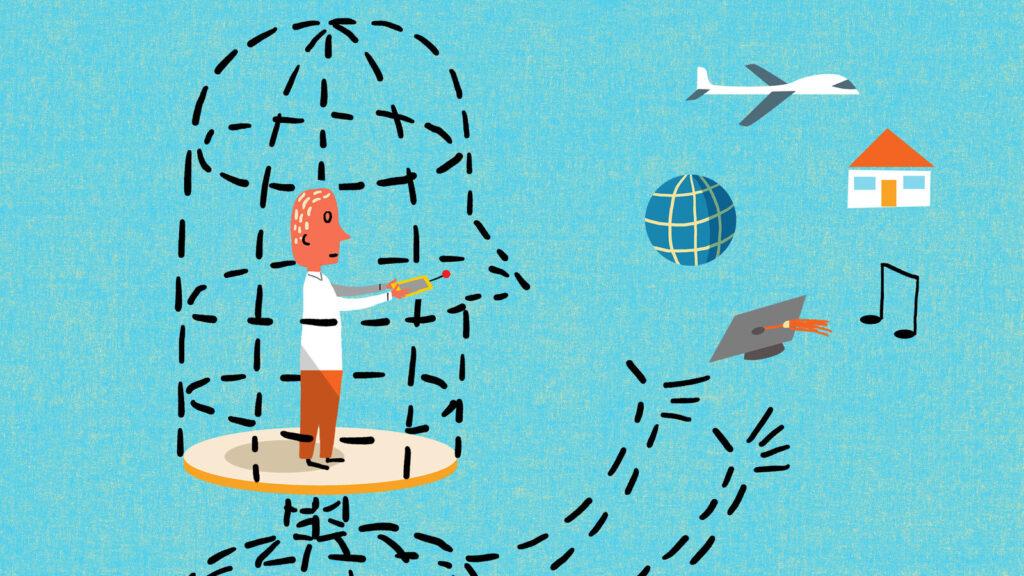
Over the last few years, digital advertising platforms have rapidly integrated AI into their systems.
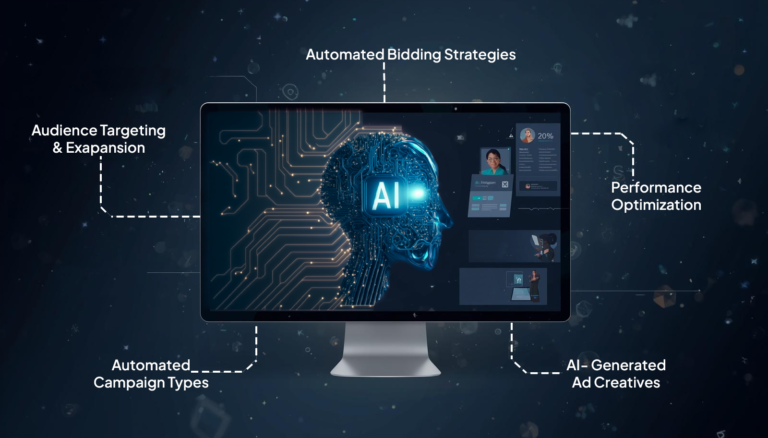
These systems analyze massive amounts of data and attempt to optimize campaigns based on patterns and signals. In theory, this allows businesses to achieve better performance with less manual management.
However, AI systems operate based on inputs and signals provided by advertisers. When those signals are incorrect, or when campaigns are poorly structured, AI may optimize toward the wrong outcomes.
Instead of improving performance, it can accelerate mistakes.
For many small business owners, marketing can feel overwhelming. AI-driven advertising tools promise a simple solution: Automation that handles the complexity behind the scenes.
This leads many businesses to trust AI too quickly for a few key reasons.
Advertising platforms are designed to be user-friendly. Campaign creation often takes only a few steps, giving the impression that advanced marketing expertise is no longer necessary.
Many people assume that because AI is advanced technology, it must automatically make better decisions than humans.
But AI does not understand your business, your customers, or your long-term goals. It simply follows data patterns.
If the system receives weak or incorrect signals, it will optimize toward the wrong results.
Small business owners rarely have the time to monitor and optimize campaigns regularly. Automation feels like a practical shortcut.
AI-powered advertising can be effective, but relying on it without proper oversight can create several problems.
AI systems rely heavily on conversion tracking to understand what success looks like.
If conversion tracking is poorly configured—or if low-quality actions are counted as conversions—the AI may optimize toward the wrong outcomes.
For example, it might prioritize form submissions that never turn into real customers.
Many automated campaign types expand audience targeting to gather data quickly. While this can help the system learn, it can also result in ads being shown to people who have little interest in your product or service.
This often leads to increased spend without meaningful results.

When businesses fully rely on automation, they often stop reviewing campaign structure, targeting, and performance signals.
This can lead to situations where campaigns continue spending money while underlying issues remain unnoticed.
It is also important to remember that advertising platforms benefit when businesses spend more money.
AI systems are designed to maximize campaign activity and gather data quickly. While this can sometimes improve performance, it does not always guarantee efficient spending.
Automation should always be monitored and guided.
Despite the risks, AI can be extremely valuable when used correctly. In fact, experienced marketers regularly rely on AI-driven tools for several important tasks.
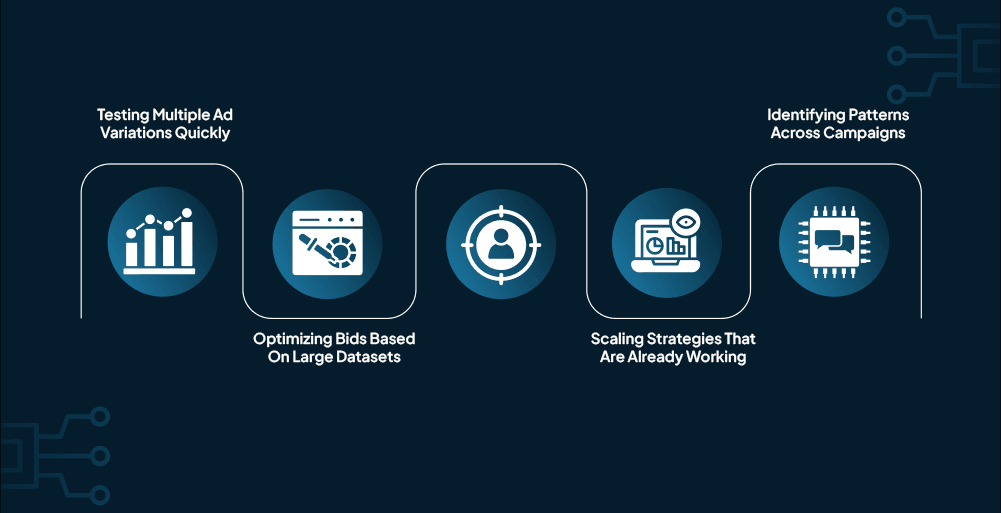
For small businesses, the goal should not be to avoid AI but to use it wisely. Here are a few practical principles that can help.

Before enabling automation, ensure that campaigns are organized properly with relevant keywords, audiences, and messaging.
AI can only optimize based on the signals it receives. Tracking must accurately reflect real business outcomes.
Automation does not eliminate the need for oversight. Reviewing search terms, audience insights, and performance trends remains essential.
Instead of enabling every automated feature at once, introduce AI tools step by step and monitor how they affect performance.
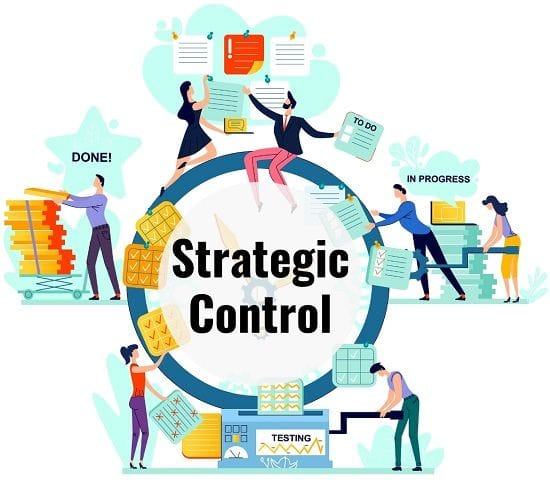
The most successful campaigns use AI as a supporting tool while maintaining human strategic control.
Artificial Intelligence is transforming digital marketing, and its capabilities will only continue to grow.
However, automation is not a shortcut to successful advertising.
For small and medium-sized businesses, relying entirely on AI without understanding the fundamentals of marketing can lead to unnecessary spending and missed opportunities.
The most effective approach combines technology, strategy, and human insight.
AI can optimize campaigns, analyze data, and accelerate results but only when it is guided by a well-defined marketing strategy.

At Kashtag Media, we believe automation should empower businesses, not confuse them. When AI is used thoughtfully and strategically, it can become a powerful tool for sustainable growth.
If you’re running digital advertising campaigns but aren’t sure whether automation is helping or hurting your results, a proper campaign review can reveal where your budget is actually going—and how to make it work harder for your business.
We work as an extension of your team, sharing in your challenges and celebrating your wins.
Open, honest communication forms the foundation of every relationship we build.
We push boundaries to craft strategies and content that stand out and inspire.
Every action we take is aimed at delivering meaningful, measurable growth.
We offer a full suite of digital solutions including custom branding, website design and development, digital marketing (SEO, social media, PPC), strategy consulting, and analytics reporting — all tailored to help your brand grow online.
Our services are ideal for startups, small businesses, and established brands looking to strengthen their digital presence, drive engagement, and increase conversions.
Timelines vary based on project scope. A typical branding or website project takes 4–8 weeks, while ongoing marketing campaigns run on monthly retainers. We’ll give you a clear timeline during your free consultation.
We design responsive, high-performing websites primarily on WordPress, but we also work with Shopify, Webflow, and custom development depending on your needs.
Copyright © 2026 KashTag Media All Rights Reserved. Company Number 16968938